
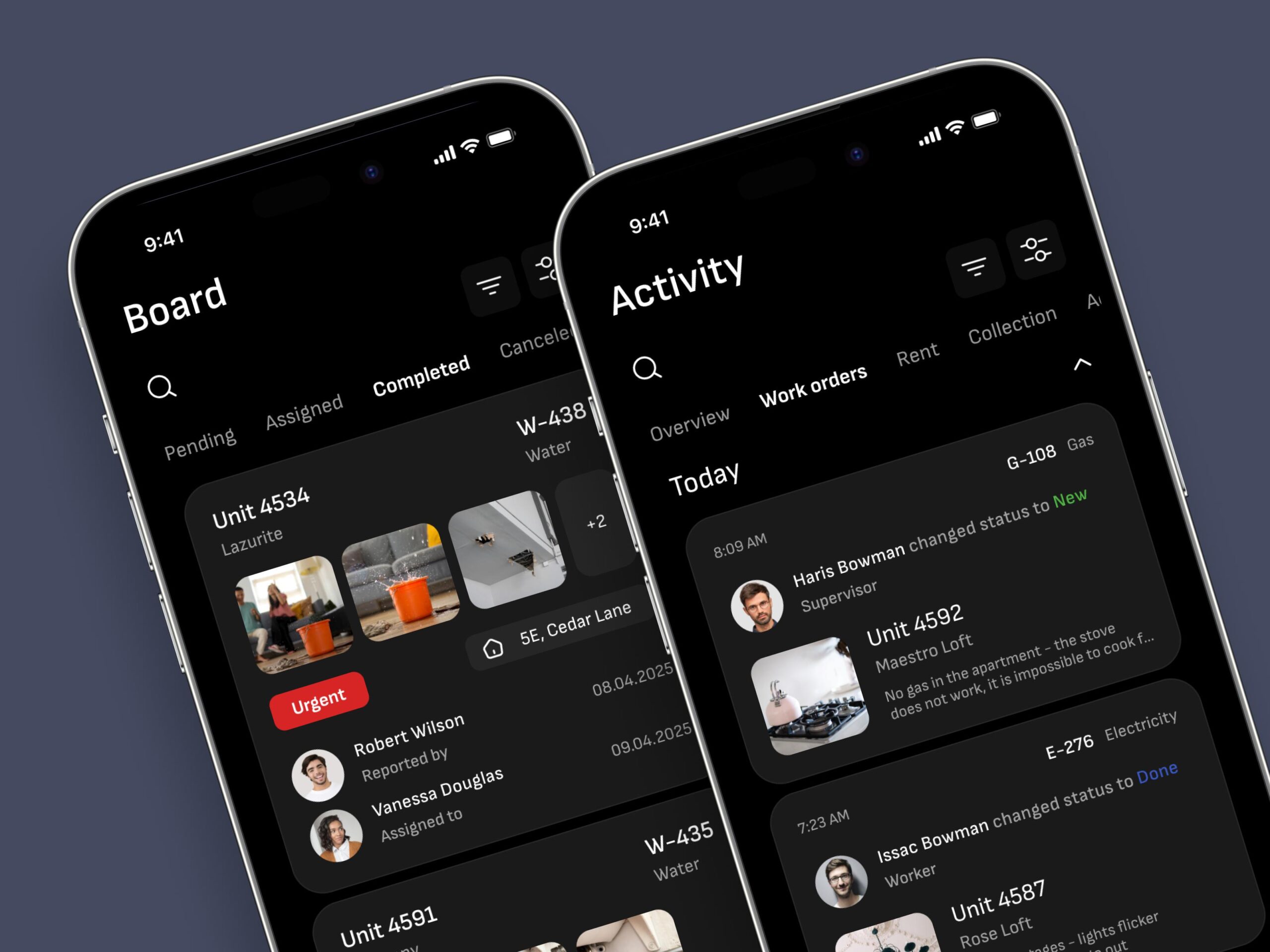
Best Practices for Managing Repairs and Maintenance Efficiently in 2026
Managing repairs and maintenance is where most real estate investors lose time, money, and control.
In 2026, the investors who stay profitable are not the ones reacting to problems—they’re the ones running systems.
If you’re constantly answering maintenance calls, chasing vendors, or dealing with frustrated tenants, the issue isn’t the property—it’s the process.
Let’s fix that.
Why Efficient Maintenance Management Matters
Repairs are not just an expense—they directly impact:
Tenant retention
Property value
Cash flow stability
Your reputation as a landlord
When maintenance is slow or disorganized, tenants leave. When tenants leave, vacancies go up. And when vacancies go up, your profits drop.
Efficient systems solve that.
Ready to Test Drive Flipster?
You can often start with a free trial or low-commitment option.
No long-term contracts required.
Check Out Flipster & Start Your Trial →
Have you tried Flipster yet? How was the training experience for you?
Drop your thoughts in the comments below!
Step 1: Centralize All Maintenance Requests
The first rule is simple:
Stop taking maintenance requests through random channels.
No more:
Text messages
Phone calls
Emails scattered everywhere
Everything must go through one system.
Tenants should submit requests through:
A portal
A form
A property management app
This creates a clear record and eliminates confusion.
Step 2: Pre-Screen Deals to Avoid Maintenance Nightmares
Here’s the truth most people ignore:
Bad deals create bad maintenance problems.
If you’re buying properties without understanding repair costs, you’re setting yourself up for constant issues.
👉 Analyze Deals Before You Buy
Also, before you close:
👉 Estimate Rehab Costs Accurately
If the numbers don’t work upfront, no system will fix it later.
Step 3: Build a Reliable Vendor Network
Your vendors are your backbone.
You need:
Plumbers
Electricians
Handymen
HVAC specialists
But not just anyone—you need reliable, responsive professionals.
Best practice:
Have at least 2–3 vendors per category
Pre-negotiate pricing where possible
Track performance (speed, quality, cost)
This is how you avoid scrambling every time something breaks.
Step 4: Automate Work Orders and Follow-Ups
Manual coordination is where things fall apart.
Instead, your system should:
Automatically notify vendors
Assign jobs instantly
Track progress
Send updates to tenants
This removes you from the middle.
If you’re still figuring out how to build systems like this:
👉 Learn How to Build Automated Income Systems
Step 5: Set Clear Maintenance Priorities
Not all repairs are equal.
You need a system that prioritizes:
Emergency (Immediate):
Water leaks
Electrical issues
No heat/AC
Urgent (24–48 hours):
Appliance failures
Plumbing issues
Routine (Scheduled):
Cosmetic fixes
Minor repairs
This prevents chaos and ensures serious issues are handled fast.
Step 6: Use Preventative Maintenance to Reduce Costs
The cheapest repair is the one you never have to make.
Preventative maintenance includes:
HVAC servicing
Roof inspections
Plumbing checks
Seasonal property inspections
This reduces emergency repairs and extends the life of your property.
Step 7: Keep Tenants Informed Automatically
Most complaints come from lack of communication—not the issue itself.
Set up automatic updates:
Request received
Vendor assigned
Repair scheduled
Job completed
This builds trust and reduces follow-up calls.
Step 8: Build a Lead System to Offset Costs
Here’s something most investors overlook:
Your maintenance costs should be supported by consistent deal flow.
If you’re not bringing in new opportunities, every repair feels heavier.
👉 Build a Lead-Generating Real Estate Website
Or go deeper:
👉 Join the Lead Generation Challenge
Step 9: Track Maintenance KPIs
If you’re not tracking, you’re guessing.
Monitor:
Average repair time
Cost per repair
Vendor response time
Tenant satisfaction
These numbers tell you where your system is breaking.
Step 10: Systemize Everything
At the end of the day, this comes down to one thing:
You don’t manage repairs—you manage a system that manages repairs.
That means:
Standard processes
Clear rules
Automated workflows
Once built, the system runs with minimal input from you.
🚀 Ready to Build a Real System?
📚 Extra Resources to Help You Automate & Scale Faster
Use these tools to streamline your business and increase efficiency.
Leave a Reply