Building Costs & Market Effects in Real Estate Investing
Construction costs continue reshaping real estate markets in 2026, affecting investors, developers, renters, and housing affordability across the country.
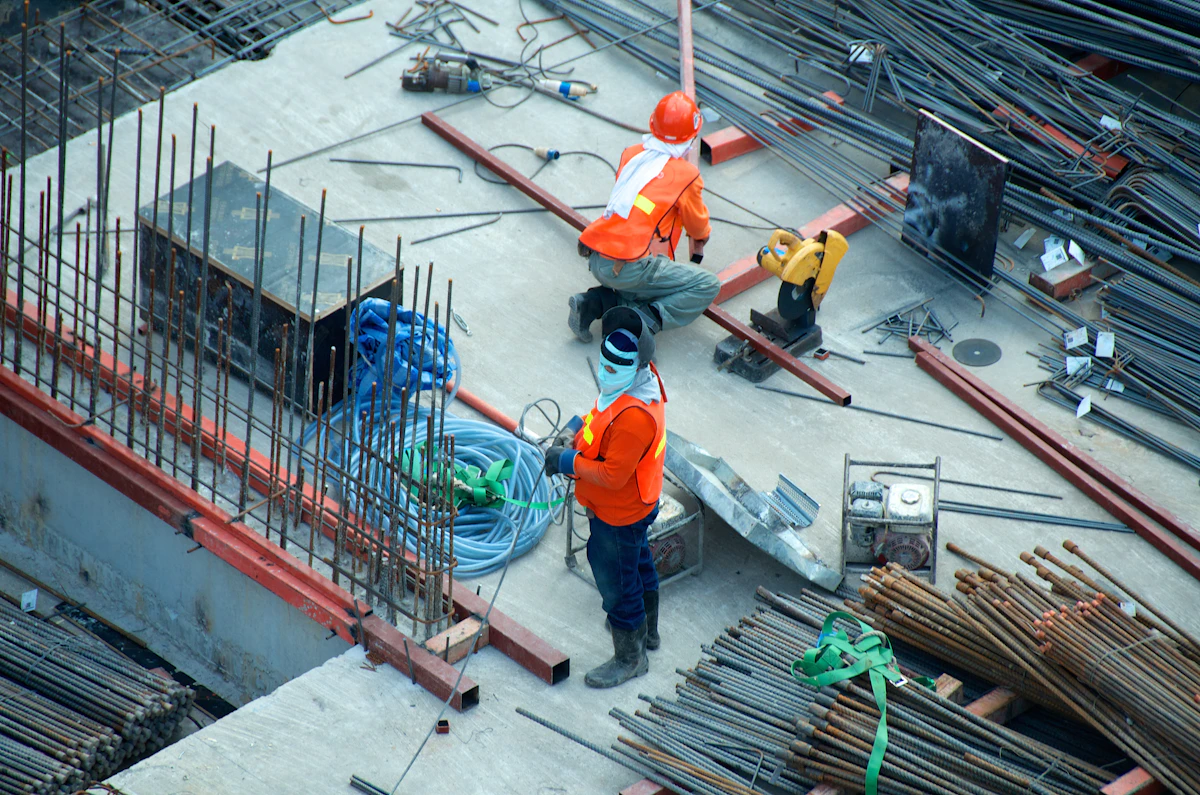
Building costs play a major role in the real estate market.
When construction expenses rise, the effects spread across nearly every area of housing and investing.
Higher building costs can impact:
- Home prices
- Rental rates
- Housing inventory
- Development activity
- Investor profits
- Affordability
In 2026, investors continue watching construction costs closely because they directly influence market opportunities and long-term strategy.
Understanding how building costs affect the market helps investors make smarter decisions when analyzing:
- New developments
- Rental properties
- Fix-and-flip projects
- Commercial investments
- Long-term portfolio growth
Why Building Costs Have Increased
Construction costs have risen significantly over the past several years.
Several factors continue driving those increases in 2026.
Major contributors include:
- Inflation
- Labor shortages
- Supply chain disruptions
- Material price increases
- Higher interest rates
- Regulatory costs
Building materials such as:
- Lumber
- Concrete
- Steel
- Electrical equipment
- HVAC systems
have experienced major pricing fluctuations in recent years.
These increases directly affect developers, contractors, and investors.
How Higher Building Costs Affect Housing Prices
When construction becomes more expensive, developers often pass those costs to buyers.
This can lead to:
- Higher home prices
- Reduced affordability
- Slower housing development
- Increased rental demand
In many markets, rising construction expenses make it harder to build affordable housing profitably.
That creates inventory shortages in some price ranges.
Limited supply combined with strong demand often pushes prices higher.
Rental Markets Benefit From Supply Shortages
Higher building costs can indirectly strengthen rental markets.
When fewer homes are built, many people remain renters longer because purchasing homes becomes more difficult.
This often increases:
- Rental demand
- Occupancy rates
- Rental pricing pressure
Rental property investors may benefit from tighter housing inventory in certain markets.
However, rising maintenance and renovation costs can also increase operational expenses.
Developers Face Tougher Profit Margins
Developers carefully analyze construction costs before starting projects.
As costs rise, some projects no longer produce acceptable returns.
This can reduce:
- New housing starts
- Apartment construction
- Commercial development
- Mixed-use projects
In some markets, developers delay projects while waiting for financing conditions or material costs to improve.
This slowdown can further reduce housing supply.
Free Real Estate Investing eBook
Learn how investors analyze markets, evaluate construction costs, and build profitable real estate systems step-by-step.
Fix-and-Flip Investors Feel the Pressure
Fix-and-flip investors are heavily affected by construction and renovation costs.
Projects that once generated strong profits may now face tighter margins because of:
- Material price increases
- Labor shortages
- Permit delays
- Higher financing costs
Successful rehab investors now focus more heavily on:
- Accurate repair estimates
- Contractor management
- Efficient project timelines
- Conservative deal analysis
Poor budgeting can quickly destroy profits in today’s market.
Commercial Real Estate Is Also Affected
Commercial real estate development faces many of the same challenges.
Office buildings, industrial properties, retail centers, and multifamily developments all rely heavily on construction costs.
Higher expenses may slow:
- New office construction
- Retail development
- Industrial expansion
- Apartment projects
At the same time, limited supply may strengthen values for existing high-quality properties in some sectors.
Labor Shortages Continue Impacting Construction
The construction industry continues facing skilled labor shortages in many areas.
There is growing demand for:
- Electricians
- Plumbers
- Roofers
- HVAC technicians
- General contractors
Labor shortages often increase wages and extend project timelines.
Longer construction timelines can increase carrying costs for investors and developers.
Interest Rates Add Additional Pressure
Financing costs also affect development activity.
Higher interest rates increase borrowing costs for:
- Builders
- Developers
- Investors
- Homebuyers
This can reduce affordability and slow some projects.
However, some investors also see opportunities during slower development cycles when competition decreases.
Technology Is Changing Construction
Technology is helping improve efficiency inside the construction industry.
Modern tools now help builders:
- Estimate costs faster
- Improve project management
- Track materials
- Reduce waste
- Automate workflows
Some companies are also experimenting with:
- 3D-printed housing
- Modular construction
- AI-driven planning tools
- Smart building systems
Technology may eventually help reduce construction inefficiencies and improve scalability.
Why Existing Properties Become More Valuable
When new construction slows, existing housing inventory often becomes more valuable.
This may benefit owners of:
- Rental properties
- Multifamily assets
- Single-family homes
- Commercial buildings
Limited new supply can strengthen demand for already-built properties.
Many investors focus on acquiring existing properties because replacement costs continue increasing.
Smart Investors Adapt to Market Conditions
Successful investors understand that markets constantly change.
Rather than reacting emotionally, experienced investors focus on:
- Strong deal analysis
- Conservative budgeting
- Efficient systems
- Long-term demand
- Cash flow protection
Investors who adapt to changing costs often position themselves better than investors waiting for “perfect” market conditions.
Use Real Estate Investing Software to Analyze Deals Smarter
Many investors use software tools to estimate repairs, analyze properties, organize projects, and manage real estate deals more efficiently.
Final Thoughts
Building costs continue playing a major role in the real estate market in 2026.
Higher construction expenses affect:
- Housing affordability
- Rental demand
- Development activity
- Investor profitability
- Market inventory
While rising costs create challenges, they also create opportunities for investors who understand how supply, demand, and market cycles work together.
Successful investors continue focusing on:
- Strong systems
- Conservative deal analysis
- Long-term planning
- Efficient operations
The investors who understand changing market conditions may continue finding opportunities even during uncertain economic environments.
Ready to Build Your Real Estate Investing Skills?
Learn how investors analyze markets, structure deals, automate systems, and build profitable real estate businesses using modern investing strategies.
Leave a Reply