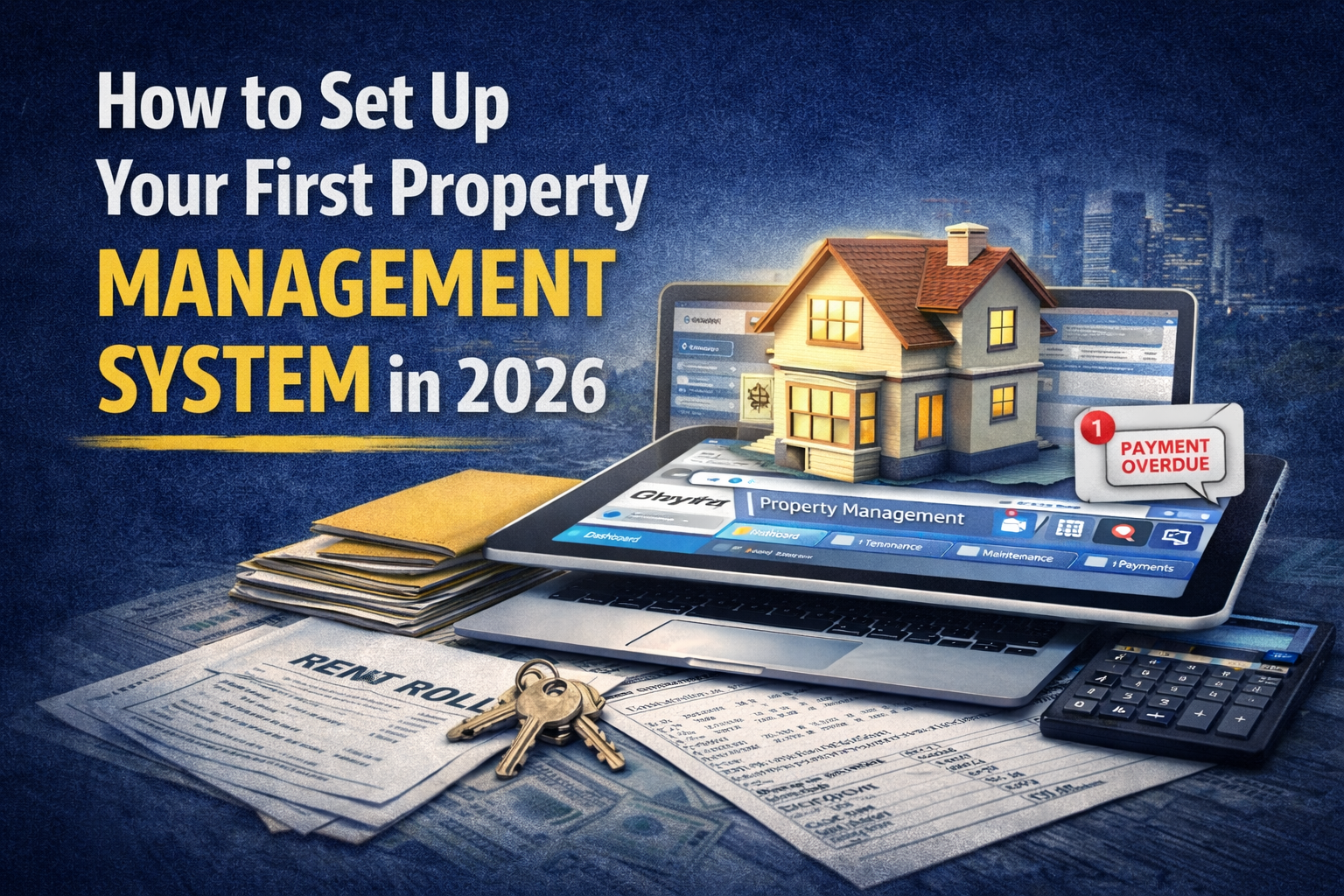
How to Set Up Your First Property Management System in 2026
If you want to build real wealth in real estate, buying properties is only half the game.
The other half?
Managing them the right way.
Because here’s the truth most beginners don’t realize until it’s too late:
A bad system will destroy a good deal.
A strong system will make an average deal profitable.
In 2026, successful investors aren’t just landlords—they’re operators. They run their rentals like a business, not a side hustle.
Let’s walk through exactly how to set up your first property management system the right way.
What Is a Property Management System?
A property management system is how you organize, automate, and control your rental business.
It covers everything from:
• collecting rent
• communicating with tenants
• handling maintenance
• tracking finances
• managing leases
Think of it as the engine that keeps your rental income running consistently.
Without it, things fall apart fast.
Why Systems Matter More Than Ever in 2026
The real estate market has evolved.
Tenants expect faster responses.
Competition is higher.
Margins are tighter.
If you’re still managing properties with texts, spreadsheets, and guesswork—you’re already behind.
A proper system helps you:
• reduce vacancies
• increase tenant satisfaction
• avoid missed payments
• handle issues quickly
• scale your portfolio without stress
This is how you move from “landlord” to real estate business owner.
Step 1: Decide How You’ll Manage Your Properties
Before you build your system, you need to decide:
Are you self-managing or outsourcing?
Option 1: Self-Management
Best if:
• you have 1–5 properties
• you want to maximize cash flow
• you’re willing to learn the systems
Option 2: Hiring a Property Manager
Best if:
• you value time over control
• you’re scaling quickly
• you don’t want daily involvement
Either way, you still need a system.
Step 2: Set Up Rent Collection the Right Way
This is your lifeline—your income.
In 2026, collecting rent manually is a mistake.
You need:
• online payment options
• automatic reminders
• recurring billing setup
This creates:
• consistent cash flow
• fewer late payments
• less stress
Make it easy for tenants to pay—and they will.
Step 3: Build a Clear Communication System
Most problems in real estate come from poor communication.
Set clear expectations:
• How tenants contact you
• When you respond
• What counts as an emergency
Use tools like:
• email
• tenant portals
• messaging apps
Consistency builds trust—and reduces headaches.
Step 4: Create a Maintenance Workflow
Maintenance is where most investors lose money.
Without a system:
• small issues become expensive
• tenants get frustrated
• turnover increases
You need a process:
Tenant submits request
Issue is logged and categorized
Contractor is assigned
Job is tracked to completion
Also build a reliable vendor list:
• plumber
• electrician
• handyman
Speed and efficiency matter here.
Step 5: Track Your Financials
If you don’t track your numbers, you don’t have a business—you have a guess.
You need to track:
• monthly rent collected
• expenses
• cash flow
• vacancy rates
• repair costs
Even simple tracking will give you clarity.
And clarity leads to better decisions.
Step 6: Standardize Tenant Screening
Bad tenants will destroy your system.
Good tenants will make your life easy.
Every tenant should go through:
• application process
• background check
• income verification
• rental history check
No exceptions.
Consistency here protects your investment.
Step 7: Automate as Much as Possible
Automation is your biggest advantage in 2026.
You can automate:
• rent reminders
• payment confirmations
• lease renewals
• maintenance updates
This saves time and reduces human error.
The less you rely on manual work, the easier it is to scale.
Step 8: Document Everything
If it’s not written down, it doesn’t exist.
Create simple processes for:
• onboarding tenants
• handling late payments
• managing maintenance
• renewing leases
This allows you to:
• stay consistent
• train others later
• scale faster
Step 9: Plan for Growth From Day One
Most beginners build systems for one property.
That’s a mistake.
Build your system as if you already have:
• 5 properties
• 10 properties
• 20 properties
Because growth comes faster than you think—if your system is ready.
Common Mistakes to Avoid
Let’s keep it real—most people mess this up.
Avoid these:
Trying to manage everything manually
Not setting clear rules with tenants
Ignoring maintenance until it’s too late
Not tracking finances
Waiting too long to build systems
These mistakes cost time, money, and energy.
The Bigger Picture
Your property management system is what turns real estate into predictable income.
Without it:
• you stay overwhelmed
• profits shrink
• growth stalls
With it:
• income becomes consistent
• operations run smoothly
• scaling becomes possible
This is how you build a real business.
Final Thoughts
In 2026, the investors who win are not just deal finders…
They are system builders.
They understand that:
Buying properties creates opportunity…
But managing them correctly creates wealth.
If you focus on building strong systems early, everything else becomes easier.
🚀 Ready to Build Your Real Estate System?
If you want to learn how to find deals, structure them, and build a system that actually works:
Because the goal isn’t just to own property…
It’s to build a system that pays you consistently.
Leave a Reply